Skip to product information
1 of 1

Asclepias tuberosa Butterfly Weed

Asclepias tuberosa Butterfly Weed

Asclepias tuberosa

Regular price $16.99
Regular price Sale price $16.99
SKU: TL-astu
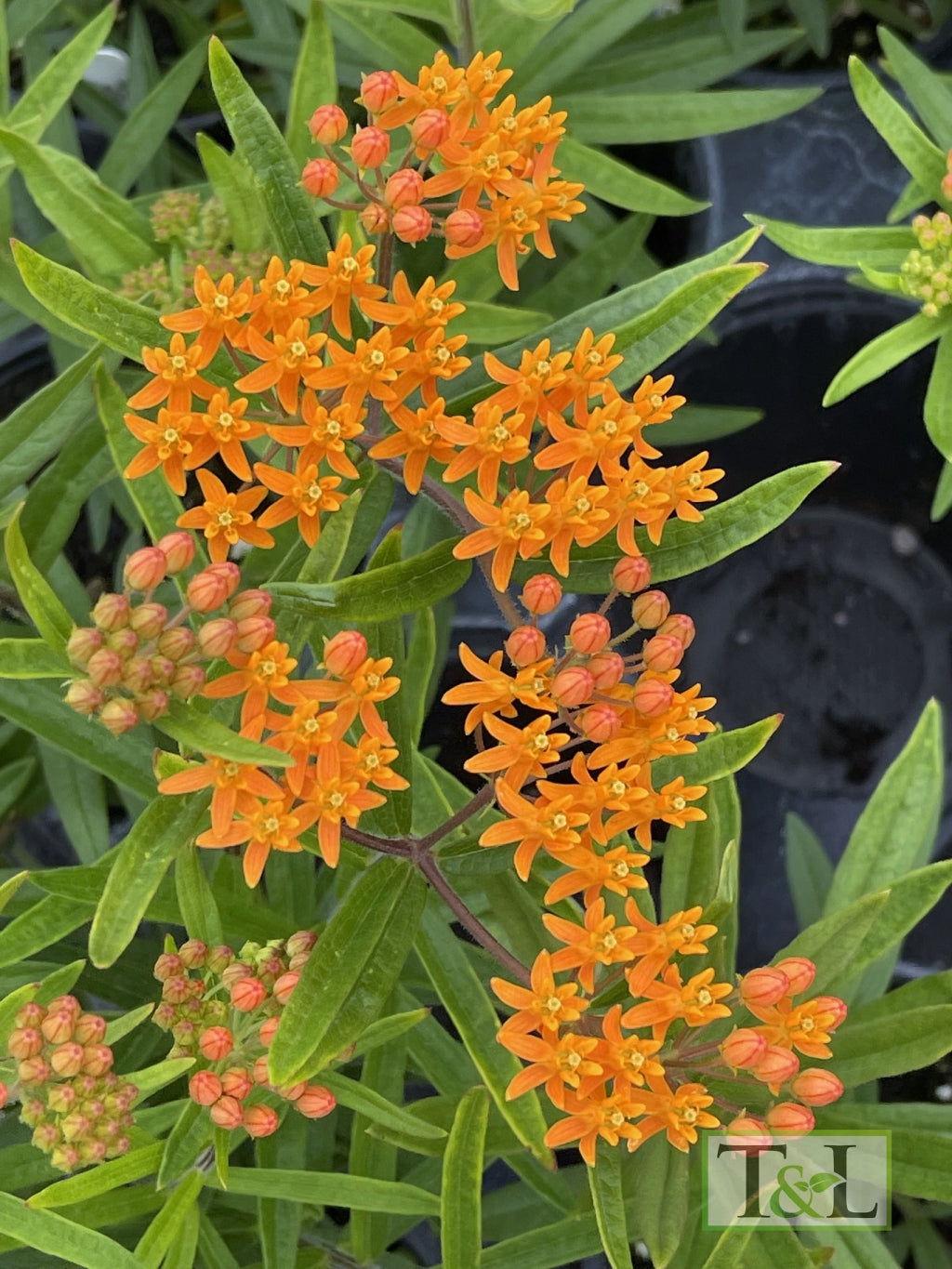
You can almost hear the garden change pitch when Asclepias tuberosa comes into bloom. From early summer into September, this native butterfly weed throws clusters of true, blazing orange over...
read more ↓
22 people are viewing this right now

Availability: Low stock: 16 left

Zone
USDA Zone:3
Watering
Watering Needs:Let dry between waterings
Sun Needs
Sun Needs:Full sun
View full product details
Asclepias tuberosa Butterfly Weed

You can almost hear the garden change pitch when Asclepias tuberosa comes into bloom. From early summer into September, this native butterfly weed throws clusters of true, blazing orange over a bushy clump 12 to 24 inches tall—and monarchs, along with a whole crew of other butterflies, treat it like a destination.

It wants full sun and soil that is more poor than pampered. Once that long taproot is down, let the ground dry between waterings; rich, wet soil is the enemy. Plant it on a sunny slope, in a cottage border, or in a pollinator patch with yarrow and lavender, and then leave it be. It can be slow to emerge in spring, so mark the clump. This is not a plant that wants to be moved later—and it doesn’t need to be.

Landscape Size

Average Landscape Size:

Height - 12 in. - 24 in. , Width - 24 in. - 30 in.
Flowering

Flowering Season:

June to September
Landscape

Landscape Use:

Cottage Garden, Slopes, Pollinator Garden, Border
Features

Special Features:

Attracts Butterflies, Drought tolerant, North American Native Selection, Dry Soil
SIZE Quart
Foliage Color Green
Growth Habit Bushy
Flower Color Orange
Watering

Watering Needs:

Let dry between waterings
  • Light: Requires full sun.
  • Soil: Prefers average to poor, well-drained soil; rich or wet soils can lead to floppy growth or rot. A long taproot makes it drought-tolerant once established.
  • Watering: Let the soil dry between waterings. Avoid overwatering.
  • Maintenance: Cut back dead stems in late winter or early spring. It can be slow to emerge, so mark the clump. Established plants resent transplanting because of the taproot.
  • Hardiness: Hardy to USDA zone 3.
  • Additional Tips: A signature plant for pollinator gardens and sunny, well-drained borders. Allow seed pods to ripen if you want it to self-sow.